Seacocks And Accessories

Seacocks And Accessories

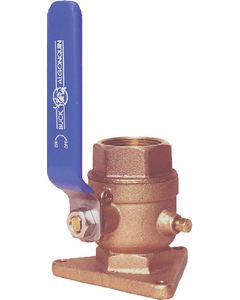
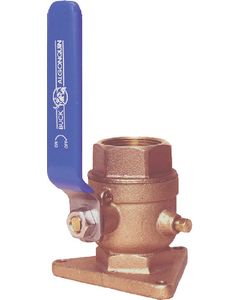
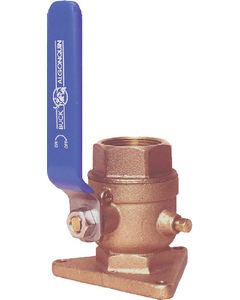
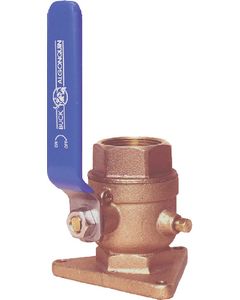
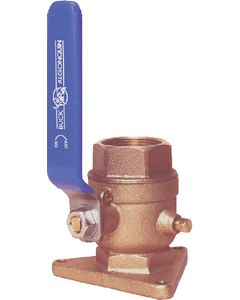
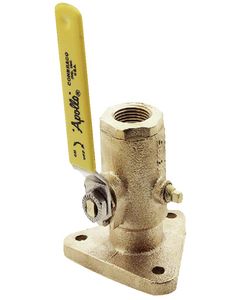
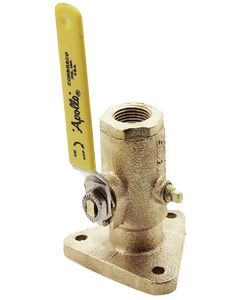
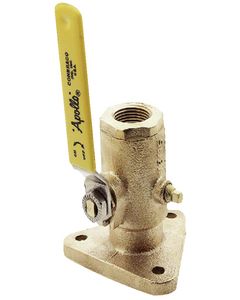
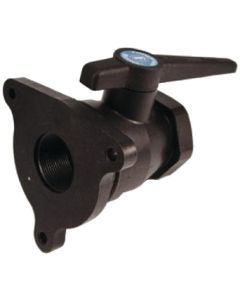
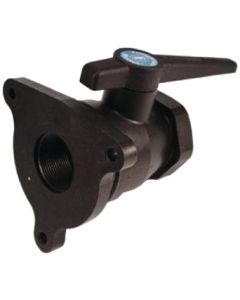
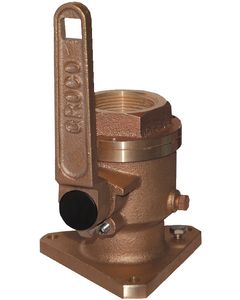
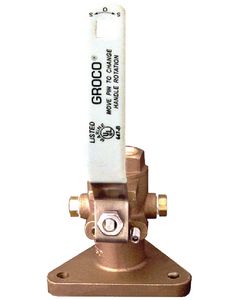
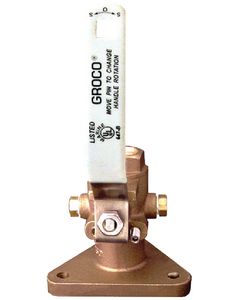
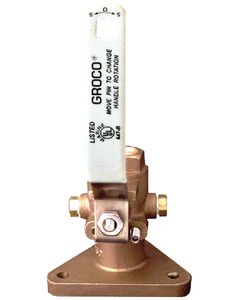
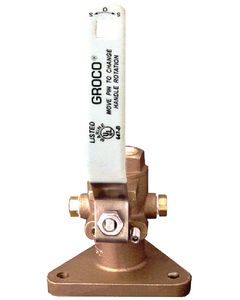
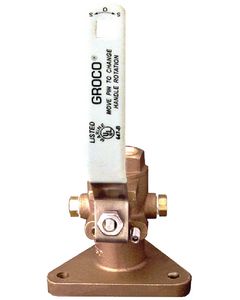
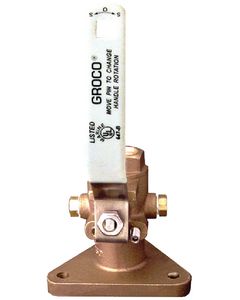
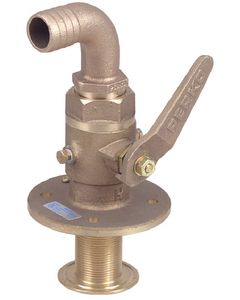
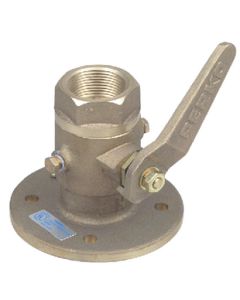
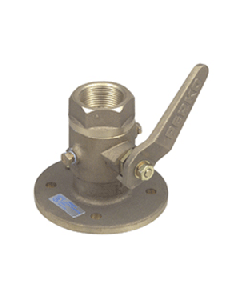
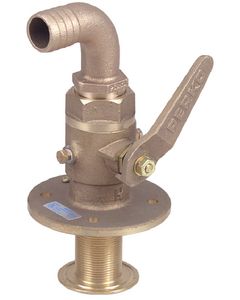
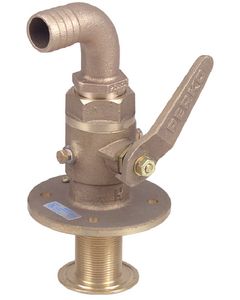
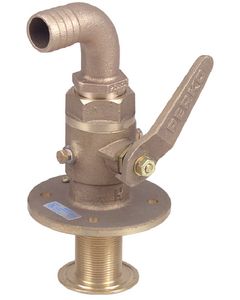
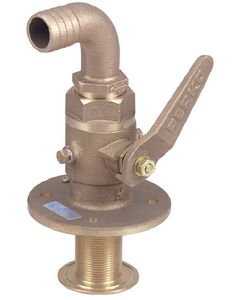
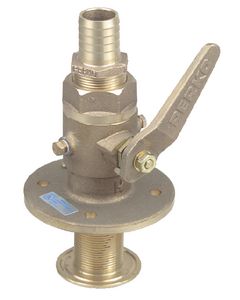
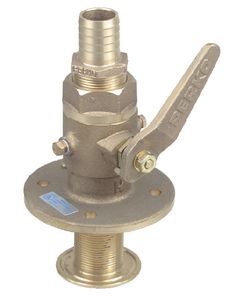
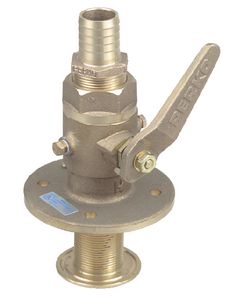
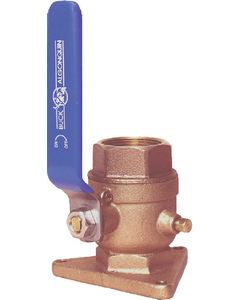
A seacock is a valve on the hull of a boat. It permits water to flow into the boat to cool an engine or for a salt water faucet. It also permits the flow or water out of the boat, such as for a sink drain or a toilet. Female NPS threads are provided at the flanged outboard end, female NPT threads at the inboard end, and machined holes are provided in the flange through which the seacock is mechanically fastened to a backing block or through the vessel hull. All this makes the seacock an integral part of the hull structure. Depending on the application, many seacocks are left open most of the time. Seacocks feeding into or out of a closed system are almost always left open, like for example the engine cooling system. When seacocks are connected to something open, they might be opened up in port but closed at sea, this is the case of a sink drain. The three most common seacock designs are tapered-plug type, expanded-rubber-plug type, and ball-valve. The ball-valve is the latest design and practically maintenance free. There are two types of thru-hull fittings. The mushroom is the most traditional and requires no special tools for installation. The flush mounted thru-hull is primarily used for racing. The seacock and the through-hull fitting must always be the same material. Never attempt to install a nylon seacock on a bronze through-hull, nor a bronze seacock on a nylon through-hull. To install a seacock cut a hole through the hull and backing block slightly larger than the thru-hull fitting OD, and measure the thickness of the hull and backing lock together. Measure the total thread depth of the female NPS threads in the bottom of the seacock. Add A and B together. If the thru-hull neck length exceeds this dimension cut the thru-hull length 1/4" shorter than A+B. If the thru-hull length is shorter than A+B by more than 1/4", use a thinner backing block or use an extra-long thru-hull fitting. To prevent the seacock from turning, bolt through the seacock flange into a backing block, or bolt through the hull from the outside in, and through the seacock flange. You can fasten pipe fittings directly to the seacock, but never install components such as pumps, valves, or strainers directly on top of the seacock, unless these components are independently supported.

HELPFUL HINTS
- Through-hulls sink boats. If you have the possibility of installing a tee-connector in an existing inlet or discharge line, to achieve your objective, it is better to do so. Do not add a through-hull fitting if it is not necessary.
- Through-hull fittings installed with polyurethane sealant can be very difficult to remove. A length of 3/8-inch threaded rod (or a long bolt) will make the job easier.
- Check to see if the seacock is mounted on a backing block and fitted with a proper tailpiece
- Do not install gate valves, since you can not determine by looking at them if they are open or closed. Some builders install them to save some dollars, however any piece of debris caught in the gate gives the impression that the valve is closed. This is because the handle won't turn any further, and the gate may be still half open. If you have gate valves, especially below the water line, replace them immediately.
- Make sure all seacocks and thru-hulls are marine grade.
- Close all the valves when you leave your boat. This eliminates seizing and the boat will not sink if a hose fails.
- Inspect all seacocks and thru-hulls annually and keep them in good condition.
- Have a softwood plug available in case of failure.
Items 1 to 30 of 51 total

per page
Page:
  1. 1
  2. 2

Grid  List 

Set Descending Direction

Items 1 to 30 of 51 total

per page
Page:
  1. 1
  2. 2

Grid  List 

Set Descending Direction