McAfee SECURE sites help keep you safe from identity theft, credit card fraud, spyware, spam, viruses and online scams

Boat Lights

Navigation lights or nav lights are important to prevent collisions at night or in times of reduced visibility due to adverse weather conditions. Nav lights are essential to keep you and your boat safe because they allow you to see other boats and other boats to see you.
Nav lights also give you important information about the size, activity, and direction of travel. If you understand the characteristics of nav lights, you can determine an appropriate course of action as you approach another boat. For example boats mount nav lights that allow other boats to determine the type and relative angle of a boat and determine if there is danger of collision.
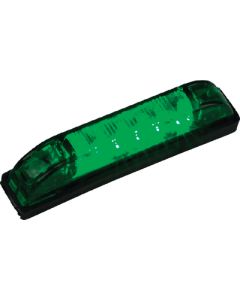
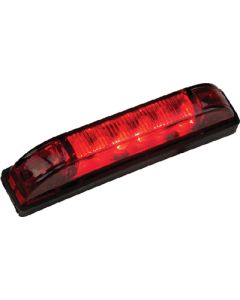
In general, sailing vessels are required to carry a green light that shines from dead ahead to 2 points (22½°) abaft the beam on the starboard side, a red light from dead ahead to two points abaft the beam on the port side and a white light that shines from astern to two points abaft the beam on both sides.
Power driven vessels, in addition to these nav lights, must carry either one or two (depending on length) white masthead lights that shine from ahead to two points abaft the beam on both sides. If two masthead lights are carried then the after one must be higher than the forward one. Some boats operating in crowded areas may also carry a yellow flashing beacon for added visibility during day or night.
Boats are required to show the proper nav lights from sunset to sunrise in good or bad weather conditions. All boats must show nav lights if operating at night or in restricted visibility, during a heavy rain shower, between dusk and dawn or when at anchor.
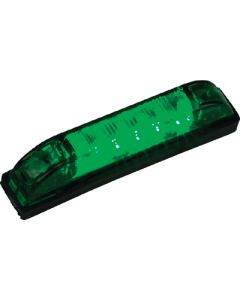
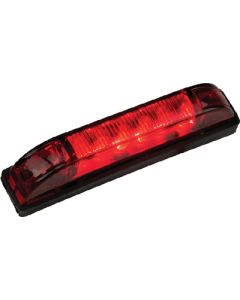
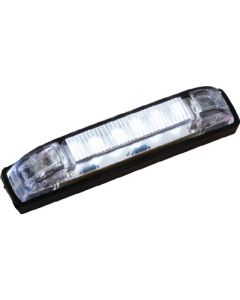
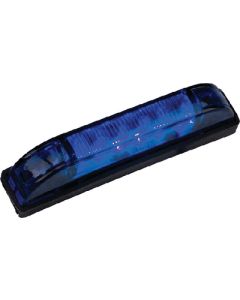
Nav lights have a specific color (white, red, green, yellow and blue) arc of illumination, range of visibility, and location, as required by law and regulations. It is important to know that you are legally responsible for displaying nav lights of the proper color, intensity, location and visibility on your boat. You are also required to display the appropriate lights at night or during times of reduced visibility.
You are also responsible of knowing the type and heading of another boat. You need to know the basics of nav lights and it is also important for your safety to know how to interpret the nav lights that you see.
The manufacturer, importer or selling dealer does not have the responsibility of the nav lights on a vessel. This is the owner’s responsibility. Make sure that your boat’s nav lights meet the legal requirements with respect to technical characteristics or placement on the vessel. Remember also, that the angles of visibility must be met when the boat is underway. If your boat rides at a significant bow-up angle, take that into consideration when installing and/or checking your nav lights. Boats operating by sail or rowing are required to show different nav lights to those motoring. However, a yacht must comply with the power boat lighting requirements when under motor.
A common navigation light that you will see near harbors or popular cruising destinations is the anchor light. The anchor light is an all-around light that must be visible for 2 miles in any direction. No other nav lights should be on while at anchor. Vessels under 7 meters, and not anchored in areas that boats normally navigate do not need to display an anchor light, though it is a good idea to do it.
By law, nav lights and their installation on recreational boats are required to comply with the positioning and technical requirements of an international agreement, commonly known as the COLREGS. Marine safety authorities enforce the requirements of the COLREGS and can provide a summary of those requirements as they apply in your local area.

HELPFUL HINTS:
• When mounting the nav lights, follow the follow the manufacturer’s instructions to the letter.
• When you purchase your nav lights make sure that they are certified and labeled as meeting the requirements of navigation lights regulations.
• Lights must not be obstructed by structure of the boat or by other things on the boat. For example, all around white lights must be visible 360 degrees around the boat.
• LED lights are less likely to affect night vision than incandescent lights.

Set Descending Direction
Brands, Boating Blog