Fuses

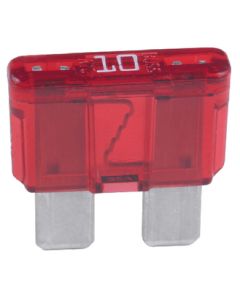
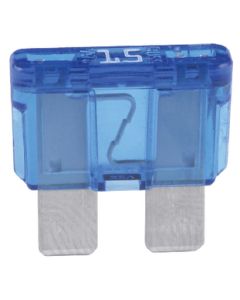
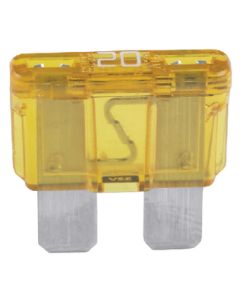
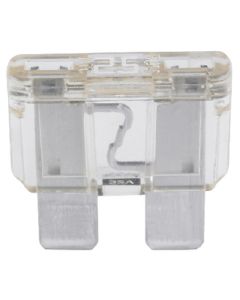
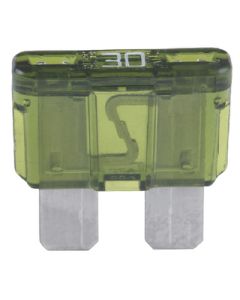
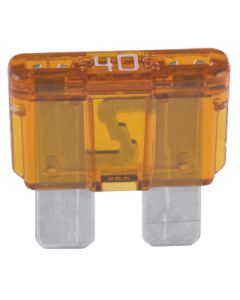
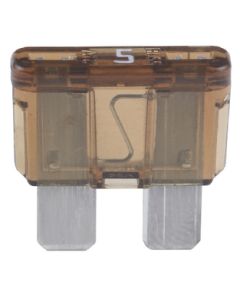
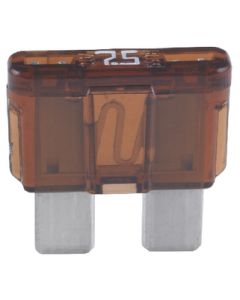
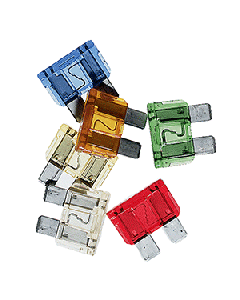
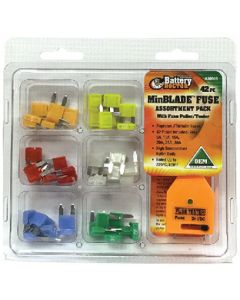
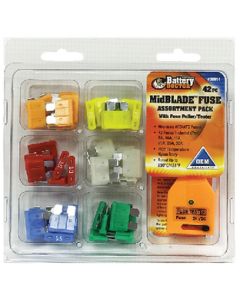
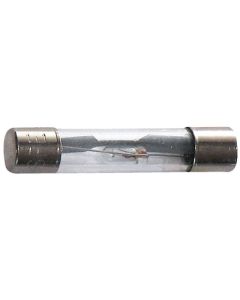
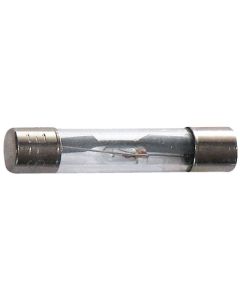
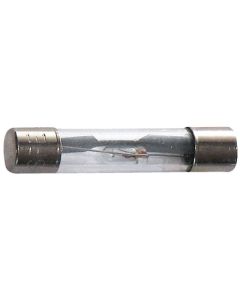
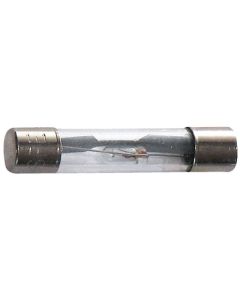
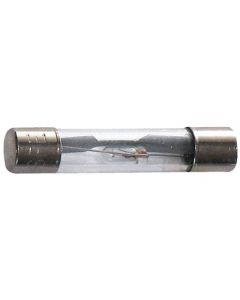
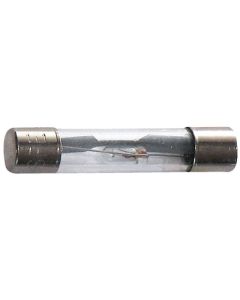
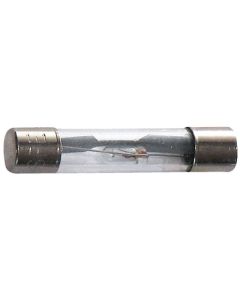
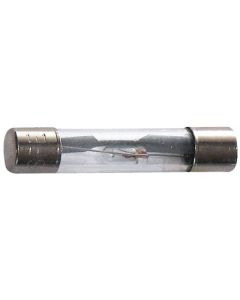
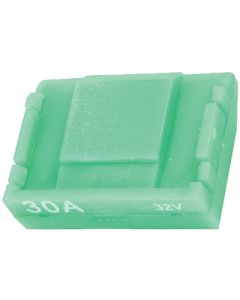
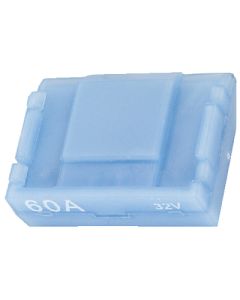
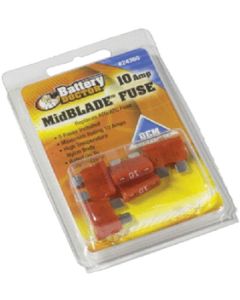
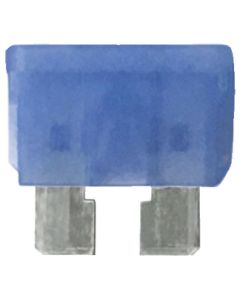
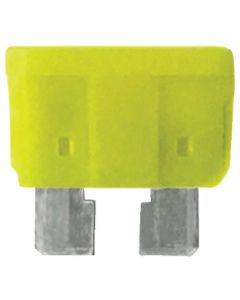
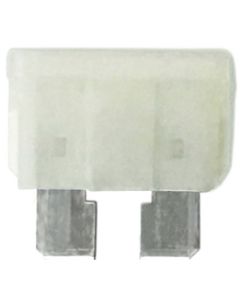
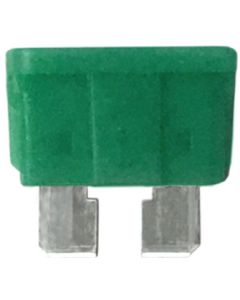
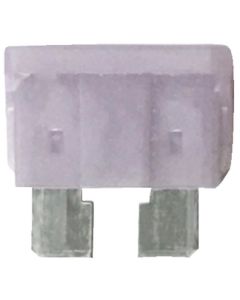
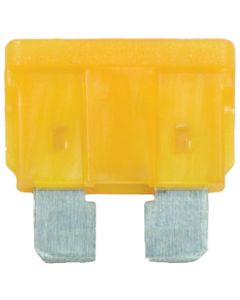
BOAT FUSES: Boat fuses are an electrical safety device manufactured to withstand the rigors of marine environment. They are inserted into an electrical circuit to protect the equipment and wiring against any excessive current flow. They are short pieces of wire which become hot and melt when the current through it is greater than its rated value. Fuses are thermal devices that open the circuit by utilizing a "fusible link" that melts at a known amperage in a known length of time. Circuit breakers can be either thermal or magnetic devices or a combination of the two. Boat fuses have a low cost, are available in higher amperage ratings and in higher interrupt ratings, and are available in greater size ranges. Boat fuses can be changed without replacing the fuse block or disturbing the connected wires. Circuit breakers are resettable after opening, can be used as a switch, can be waterproof and vapor proof, and are available with a wide range of opening speeds. The amperage rating is the amperage on which the opening speed of the boat fuse is based. This is the number printed on the boat fuse and the most common in which fuses are referenced. Most boat fuses will operate indefinitely at their amperage rating. The fuse will open or ÒblowÓ when the amperage rating is exceeded by some significant percentage, usually at least 20%.
The interrupt rating specifies how much current the boat fuse can safely handle in short circuit situations. The voltage rating specifies the maximum voltage for the circuit in which the boat fuse is used.
Boat fuses are a must because the will save your boat from a fire. If too much electricity runs through the fuse, then the boat fuse will burn out before the electrical surge can damage the electrical system. In some cases they are also installed to protect electrical or electronic equipment from damage. Every wire in the boat should be protected by a boat fuse or a circuit breaker Fire results when too much amperage travels through a wire. Amperage is electron flow through a conductor. If too much amperage flows through a wire, enough heat can be generated to melt and burn the wire insulation or surrounding materials. Choose the wire gauge according to the needs of the circuit and choose the boat fuses accordingly. Always give maintenance to the boat fuses so that you can be sure that all the electrical systems are receiving the power they need to function properly. When you install the correct wire size, it is very important to also install a circuit protection. A circuit may be accidentally grounded, and this will allow a dangerous amount of amperage to flow.
A circuit protection device (CPD) stops amp flow by one of two primary methods. Thermal devices open to break the circuit and stop the current flow in response to heat generated by excess amperage. Magnetic devices react to a magnetic field created by excess amperage The CPD should be rated to open at an amperage greater than the maximum load the circuit will carry and smaller than the rated amperage capacity of the wire. Many professionals choose a size as close to, but not greater than, the amperage capacity of the wire.
HELPFUL HINTS:
¥ Carefully read and follow the instructions and follow the diagrams in your boatÕs manual when installing boat fuses.
¥ Check the master breaker frequently and be sure that the power needs to run to all the required systems.
¥ Wiggle the boat fuses a little, if they are loose, you need to push them back in or replace them.
¥ Fuse each circuit according to the wire size, and don't change the fuse size for any reason.
¥ It is important to determine what best suits your needs, if boat fuses or circuit breakers.